Did you know...
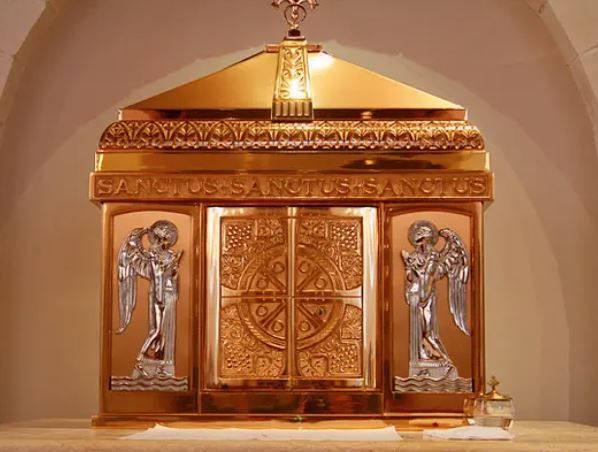
Eucharistic Adoration is the act of worshipping Christ present in the Blessed Sacrament, which can occur while the Host is in the tabernacle or exposed on the altar (Exposition). While adoration is the general act of devotion, Exposition is a specific liturgical rite, often communal, in which the consecrated Host is placed in a monstrance for public veneration, typically ending with Benediction.
Key Differences and Relationship
Adoration: The act of worship/devotion. It can be done anytime before the Blessed Sacrament, whether in a tabernacle (reserved) or exposed.
Exposition: The setting or ritual act of displaying the Blessed Sacrament in a monstrance for adoration. It requires specific, ordained ministers to expose and repose the host.
Relationship: Exposition provides a special, intense focus for Adoration. Adoration is the broader, continuous devotion, while Exposition is a specific, structured time of public worship.
Key Aspects of the Rite
Exposition: The Blessed Sacrament is removed from the tabernacle and placed in a monstrance on the altar.
Adoration: The faithful spend time in silent prayer, contemplation, or song in the presence of the exposed Eucharist.
Benediction: The final blessing of the faithful by the priest or deacon with the monstrance.
Reposition: The Blessed Sacrament is returned to the tabernacle.
While they are often used interchangeably, they are distinct aspects of Eucharistic devotion, with Exposition being a formal, often public, form of Adoration.